Maritime
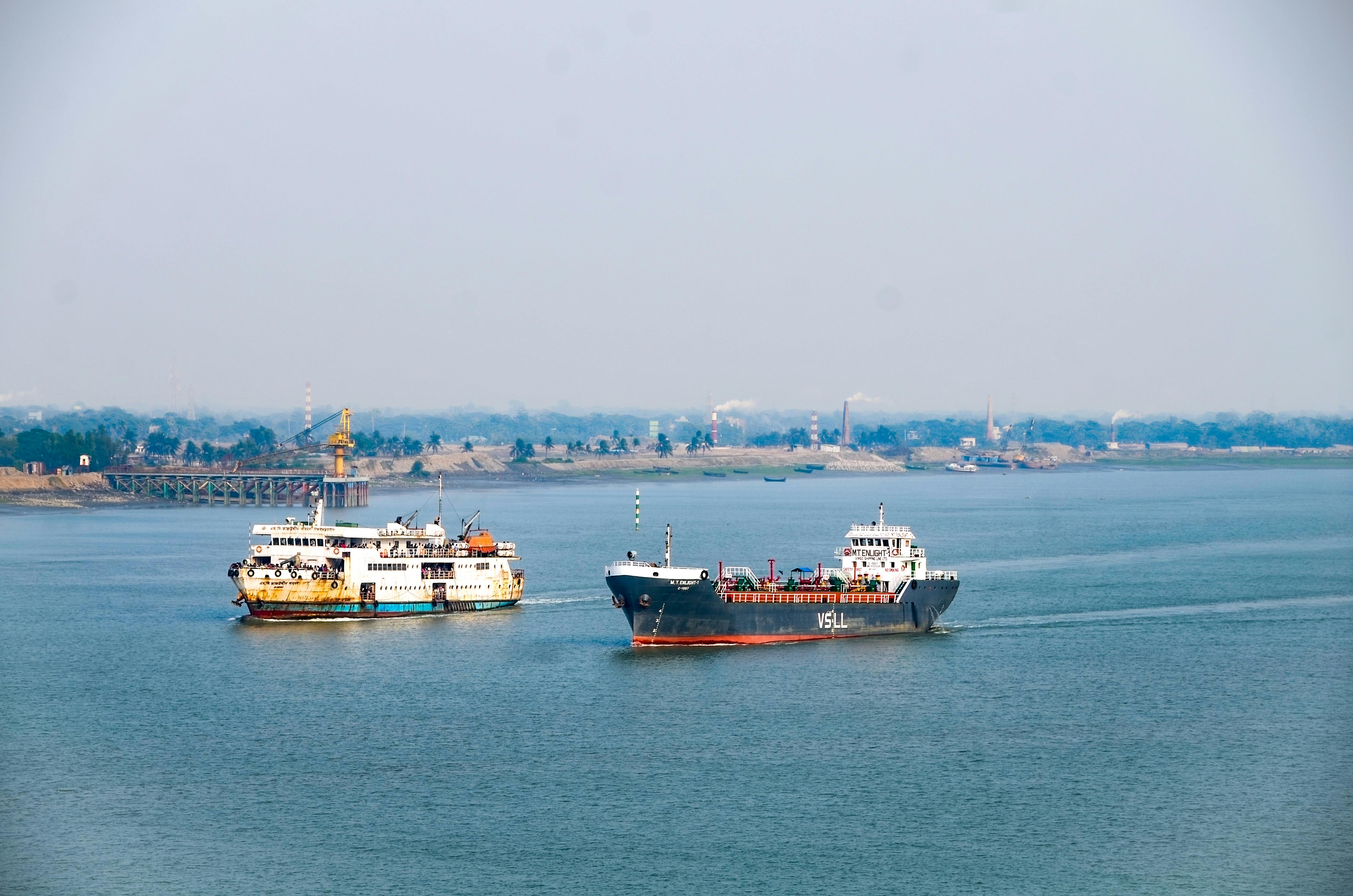
The maritime sector is a critical backbone of global trade, supporting the movement of goods, resources, and people across the world. At the same time, it is a significant contributor to greenhouse gas emissions and local air pollution, with impacts on climate, public health, and port communities. Addressing these challenges is essential for creating a more sustainable and resilient maritime industry.


From harbor tugboats and ferries to cargo vessels and port equipment, decarbonizing marine operations presents a powerful opportunity to reduce environmental impact, cut operational costs, and meet increasingly stringent regulatory requirements. Low- and zero-emission technologies, including electric propulsion, hydrogen fuel cells, and hybrid systems, are transforming the way ports and fleets operate, helping maritime operators achieve both efficiency and sustainability goals.
CTE partners with ports, fleets, shipowners, and operators to plan, finance, and deploy these innovative solutions. Our team provides technical expertise, regulatory guidance, grant and funding strategy, and project management support, helping maritime organizations navigate operational challenges, improve performance, and advance the adoption of cleaner, more sustainable technologies. Together, we are shaping a future where marine transportation is efficient, resilient, and environmentally responsible.

Services
CTE employs a project management methodology specifically designed for zero-emission vehicle deployments and augmented by established project management, administration, reporting, and controls processes.
CTE estimates your fleet’s future fuel and energy needs and determines the required charging or refueling infrastructure to support ZEVs. This includes:
• Identifying the number and type of chargers or hydrogen stations needed
• Evaluating space, cost, and operational constraints
• Forecasting electricity or hydrogen costs and potential savings
CTE also models charge management strategies to help reduce utility costs.
Quantifying the emissions reduction benefits is an important tool to build support for your decarbonization plan. CTE can model the emissions savings for different transition pathways to support decision-making.
Beyond identifying the charging or refueling equipment needed, CTE provides implementation phase recommendations and analyzes the existing utility service capacity to determine if upgrades are needed. CTE can support discussions with your utility based on the forecasted future needs of the fleet and provide guidance on facility upgrades, timelines, and costs, including the safety upgrades required for maintaining hydrogen fleets.
Switching to ZEVs impacts both operating and capital costs. While fuel and maintenance costs are often lower, upfront investments can be high. CTE provides a comprehensive cost analysis over the lifetime of your fleet transition. Additionally, funding and grant opportunities may be available, and CTE can assess and recommend opportunities to pursue. CTE provides these insights for informed decision-making and planning in comparison to the benefits of each transition scenario.
Ready to Get Started?
CTE is here to help successfully plan, deploy, and monitor your fleet. We want to hear from you!


