
Featured News
Whether you are just beginning to explore zero-emission technologies, already transitioning your fleet, or looking to learn more about federal legislation and funding, we have resources that can help.
For media inquiries, contact Kate Mason at kate@cte.tv.
Thank you! Your submission has been received!
Oops! Something went wrong while submitting the form.
Press Release
September 16, 2026
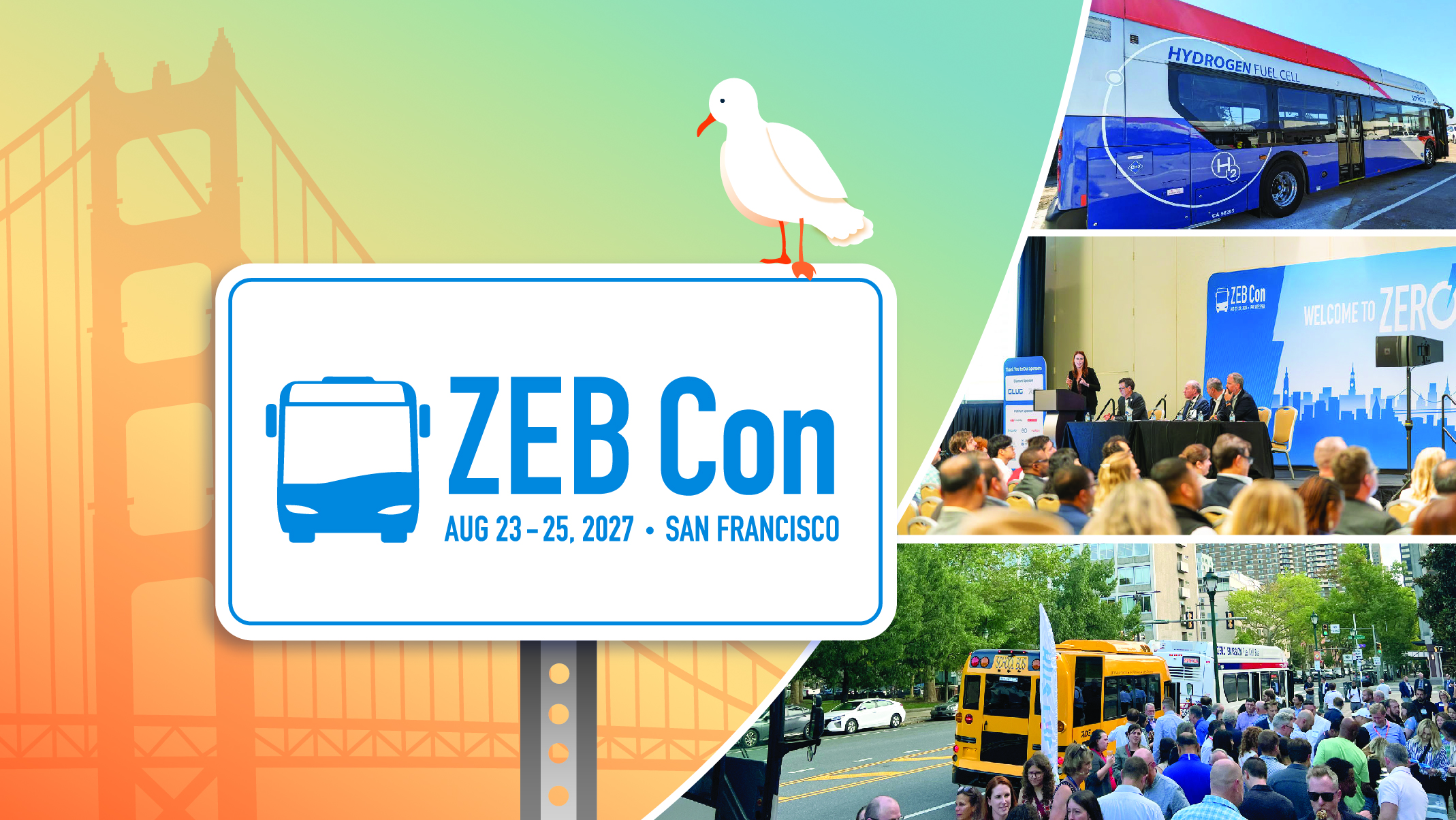
ZEB Con 2027 Brings Zero-Emission Transit Leaders to San Francisco
(CTE) is excited to announce that the Zero Emission Bus Conference (ZEB Con) will return August 23–25, 2027, in downtown San Francisco, California.The three-day conference will bring together transit agencies, shuttle operators, manufacturers, technology providers, and other transit industry stakeholders to share lessons learned from zero-emission bus deployments. Programming will address the full transition process from the operators’ perspective, from initial planning and technology selection to infrastructure development, workforce preparation, fleet operations, and long-term implementation.
Blog Post
September 2, 2026
California Lawmakers Weigh Zero-Emission Transportation Funding Priorities
As the federal policy and funding landscape for zero-emission transportation continues to evolve, state governments are playing an increasingly important role in determining how projects and technologies move forward. For CTE and its members, that means paying closer attention to state-level funding decisions, regulatory programs, and other policies that can directly affect zero-emission vehicle and infrastructure deployments. CTE is dedicating significantly more resources tracking, analyzing, and supporting policies at the state level that are shaping the future of zero-emission transportation.
Press Release
August 27, 2026
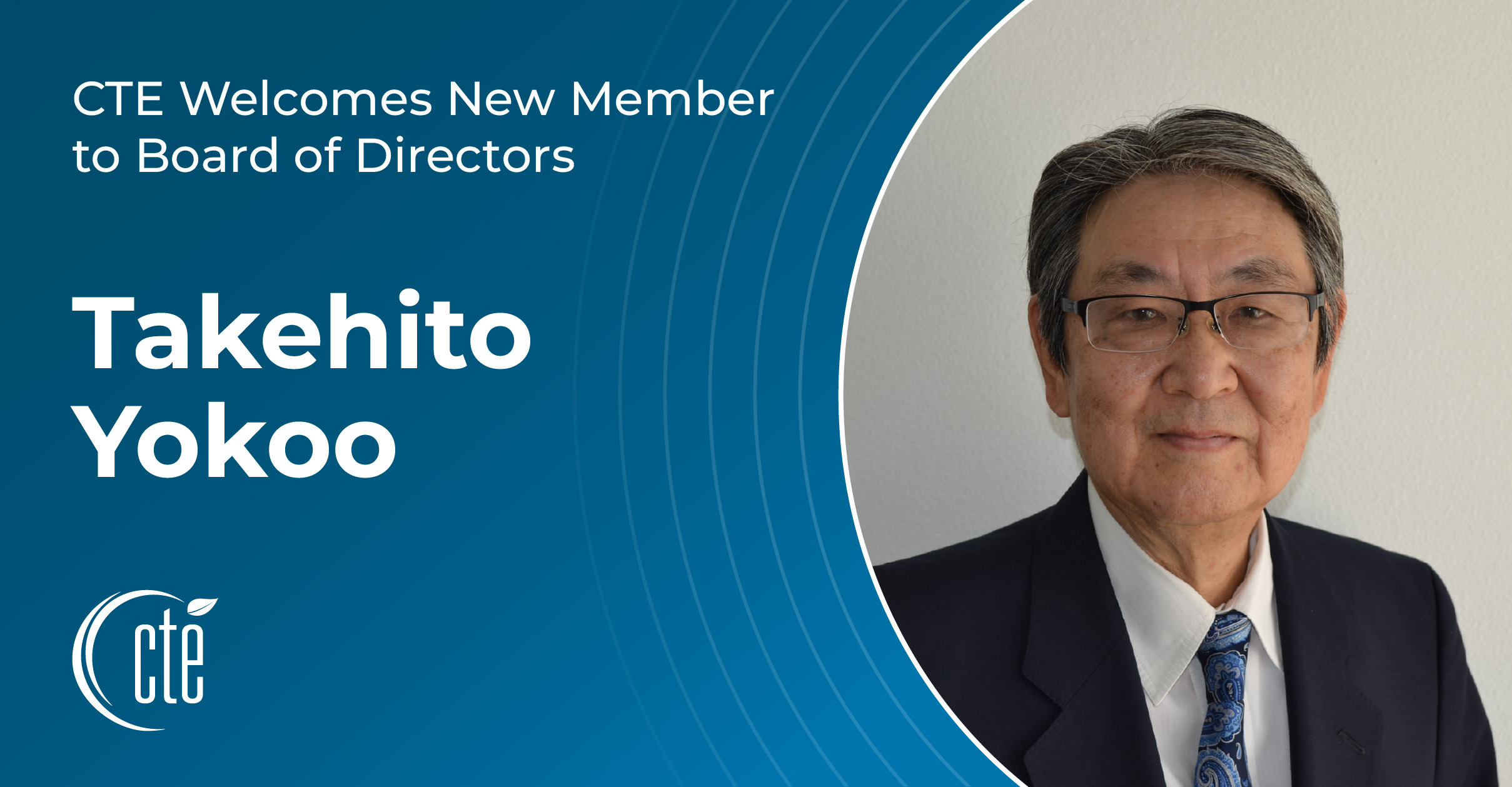
Center for Transportation and the Environment Welcomes Takehito Yokoo to Board of Directors
CTE is proud to announce the appointment of Takehito Yokoo to its Board of Directors. An engineer and clean energy innovator with more than 40 years of experience, Yokoo brings extensive expertise in hydrogen and fuel cell technologies, vehicle development, and international collaboration to CTE’s Board.Yokoo spent more than three decades at Toyota Motor North America R&D, where he held senior engineering leadership roles across the company’s hybrid, battery-electric, and hydrogen fuel cell programs. As Powertrain Chief Engineer and Senior Executive Engineer of Advanced Fuel Cell, he helped advance Toyota’s clean vehicle technologies and, in 2017, led the launch of the world’s first OEM hydrogen fuel cell heavy-duty truck demonstration at the Port of Los Angeles.
Blog Post
August 21, 2026
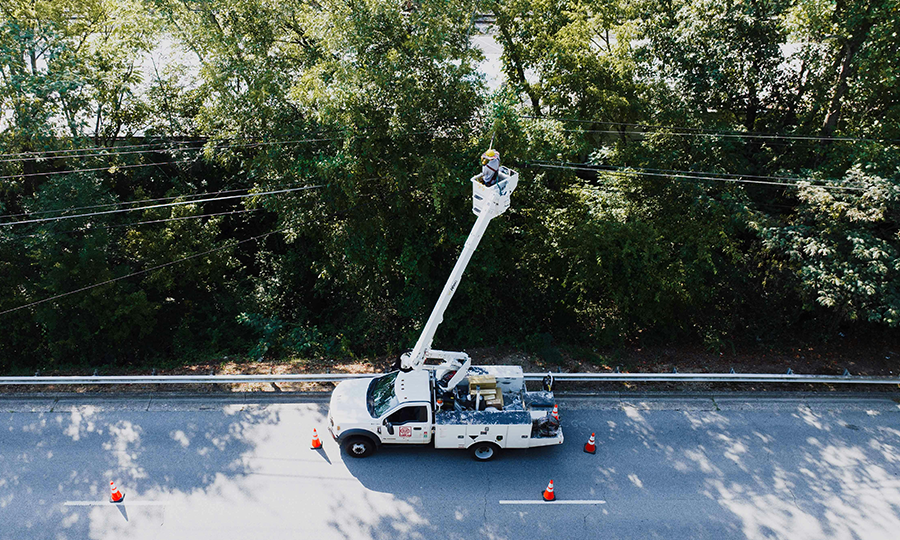
Making the Business Case for Commercial Fleet Electrification
In the commercial and private fleet market, electric vehicles have often been viewed as higher-cost investments made primarily to reduce emissions or meet sustainability goals. In the light-duty segment, however, EVs already offer a strong business case, and medium- and heavy-duty applications are increasingly demonstrating a positive return on investment as well. Whether your business relies on simple light pickup trucks, vans, SUVs, sedans, or even medium and heavy-duty trucks to deliver your services, the electric vehicle market has become an attractive option for fleet operators to not only reduce emissions but also generate meaningful financial benefits.
Blog Post
August 10, 2026
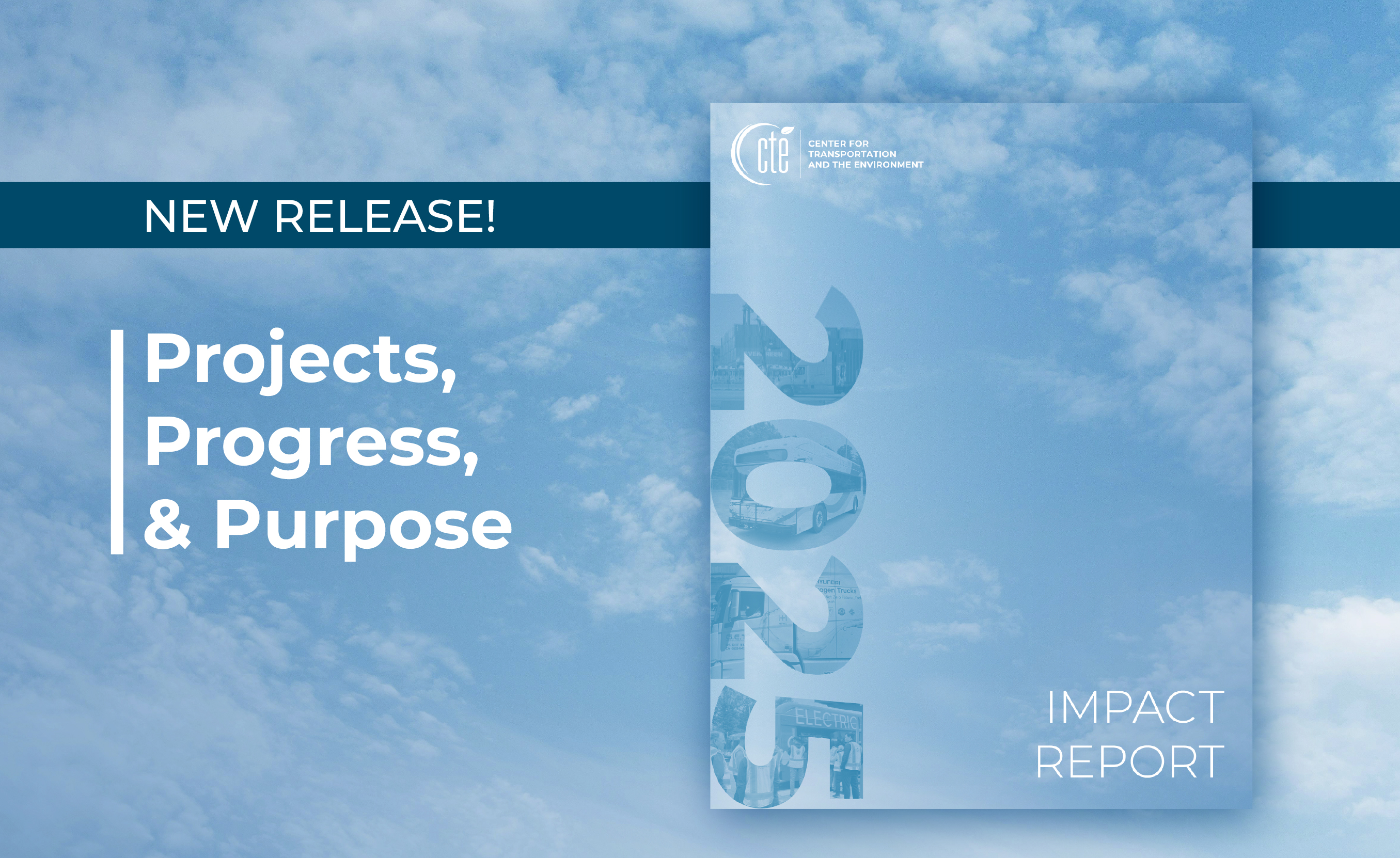
CTE's 2025 Impact Report: Navigating Change Through Market Success
At the Center for Transportation and the Environment (CTE), we know that lasting change only occurs when clean technologies succeed not just environmentally, but commercially. Our newly released 2025 Impact Report reflects our adaptive approach in a complex policy landscape and highlights our dedication to advancing zero-emission medium- and heavy-duty transportation.
Press Release
August 3, 2026
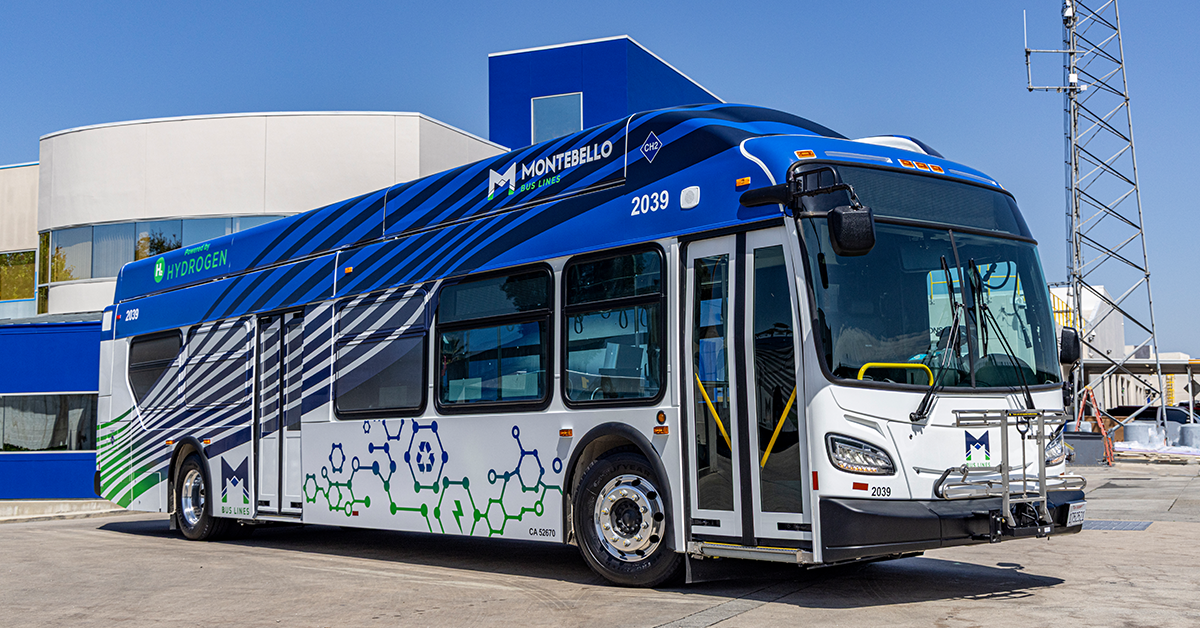
Montebello Bus Lines Charts Bold Path Toward a Zero-Emission Future with First Hydrogen Fuel Cell Buses
Montebello Bus Lines (MBL) is taking a major step toward a cleaner, more connected future with the introduction of its first hydrogen fuel cell electric buses (FCEBs). These advanced technology vehicles mark the beginning of MBL’s long-term plan to convert its entire 66-bus fleet to zero-emission technologies—delivering cleaner air, quieter streets, and more reliable transit to the communities MBL serves.
Press Release
July 20, 2026
Transit Leaders Convene in Ann Arbor to Address Transit Electrification and Workforce Development
Representatives from 45 public transit fleets gather to discuss zero-emission technology, workforce readiness, safety, and fleet operations
Blog Post
July 1, 2026
Federal Rulemaking Updates: Opportunities to Help Shape Transportation Policy
Federal policy may seem removed from day-to-day operations, but the rules being written today can influence everything from how grants are managed to how buses are tested and how transit service is evaluated for years to come. This summer, several significant federal proposals are open for public comment, giving transportation stakeholders an opportunity to help shape those outcomes. CTE encourages all stakeholders across the transportation industry to carefully review the federal register notices for these proposed rule changes, and to weigh in with comments where appropriate.

Blog Post
June 16, 2026
Zero-Emission Agriculture and Mining Equipment: Trends, Challenges, and Opportunities
Until recently, the operating demands of agriculture and mining left few practical alternatives to diesel-fueled equipment. Today, advances in battery and hydrogen technologies are beginning to change that equation. As a result, operators are increasingly evaluating zero-emission equipment that can reduce emissions while maintaining productivity and reliability. While adoption timelines vary by application, the market has shifted from demonstration to early commercialization.
Blog Post
June 9, 2026
Hydrogen for the Long Haul: ZEBRA Roundtable Recap
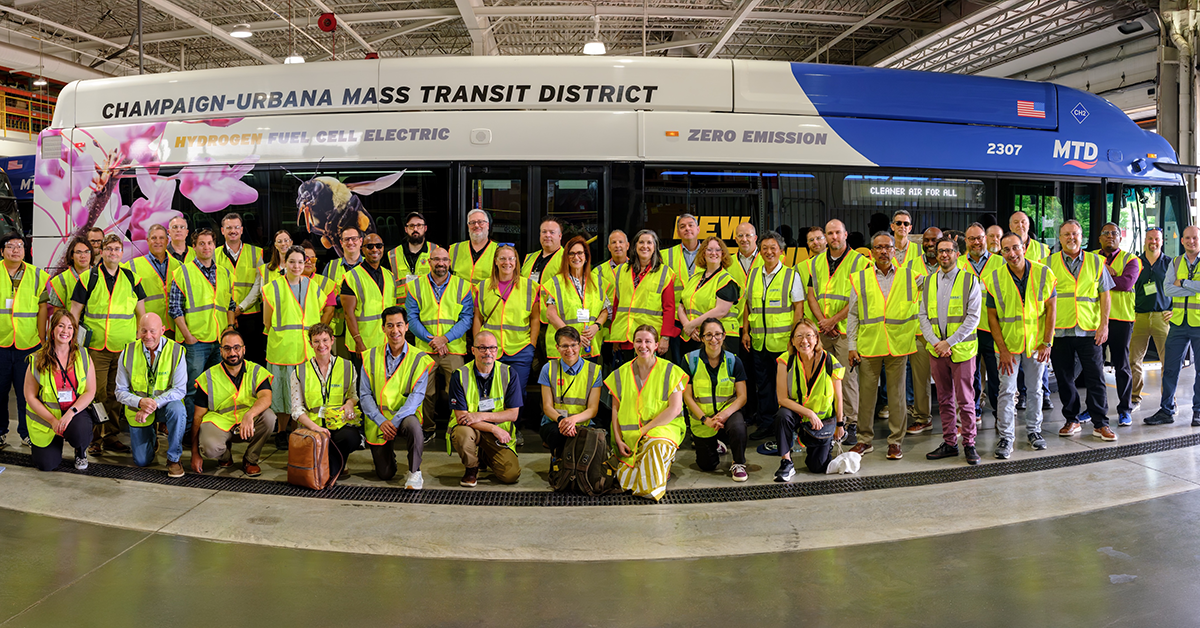
Seven innovative zero-emission suppliers and 22 transit agencies from across the country gathered in Urbana, Illinois June 3 and 4 to discuss one of the biggest topics in the transit industry today: Hydrogen for the Long Haul. Organized by the Zero Emission Bus Resource Alliance (ZEBRA) in collaboration with the Hydrogen Fuel Cell Bus Council (HFCBC) and Champaign-Urbana Mass Transit District (CUMTD), this intimate event was the setting for innovative, collaborative conversations over two days of information sharing. Attendees learned and shared insights about overcoming challenges and scaling opportunities for fuel cell electric buses (FCEBs).

