

Municipalities
Communities are paving the way for a greener future by transitioning their municipal fleets to zero-emission.


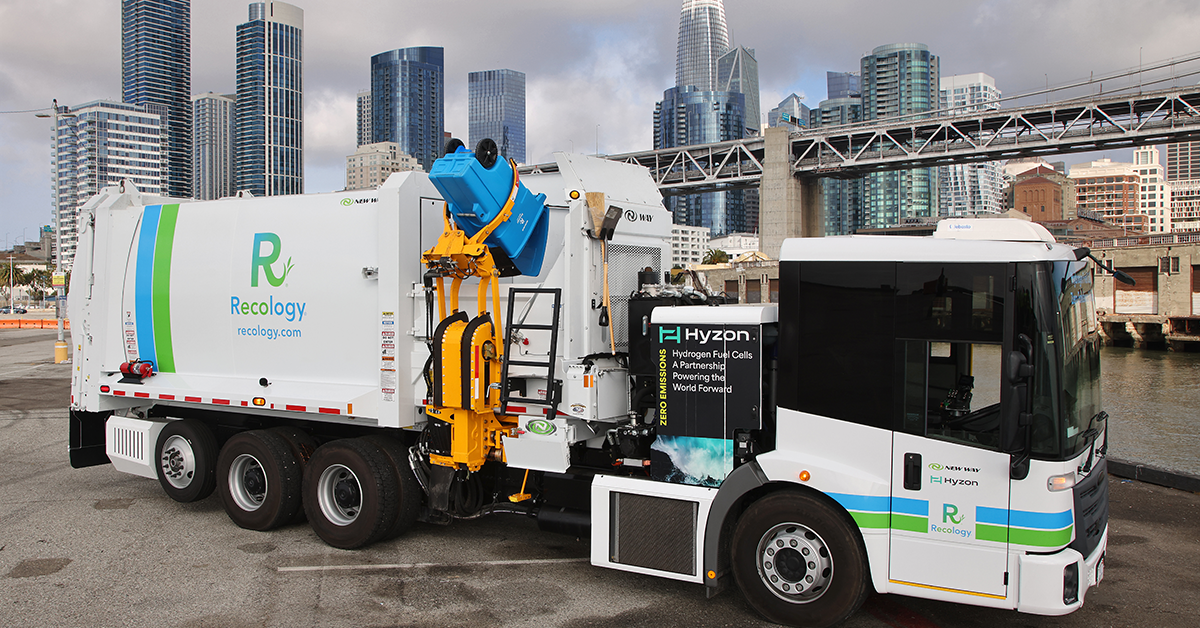
From refuse trucks and street sweepers to light-duty service vehicles, municipal fleets play a vital role in keeping communities running—and they’re uniquely positioned to lead the transition to zero-emission technology.

CTE partners with municipalities of all sizes to plan, fund, and deploy zero-emission vehicles and the infrastructure that powers them. Our team provides technical expertise, grant strategy, and project management to help local governments meet their climate goals, reduce operating costs, and improve air quality for residents.


Smart Deployment Services
Transition Planning Services
Municipal Project Spotlights



City of Glendale Municipal Fleet Transition Plan
The Center for Transportation and the Environment (CTE) led an effort on behalf of the City of Glendale to study the feasibility, expected greenhouse gas reductions, and anticipated high-level cost for transition of all gasoline, diesel, and compressed natural gas non-bus fleets to zero-emission vehicles. The study identified the costs, performance issues, risks, and recommended procurement timeline regarding transitioning to the City of Glendale’s long-term goal of operating a fully zero-emission fleet. CTE collected, reviewed, and evaluated data on the city fleet’s operations.
One goal of the study was to assess both the vehicles and the anticipated charging stations required to support the fleet. The study assessed the suitability of currently available battery electric vehicle models for light-duty vehicles, medium-duty vehicles, heavy-duty vehicles, pursuit vehicles, and non-road engines. CTE also prepared a market overview of suitable charging station options which included available models, considerations for interfacing between the chargers and the vehicles, and sample costs.

Upon completion of the feasibility analysis, the project team developed a strategy to guide the deployment of electric vehicles. CTE worked with the city’s project team to ensure the transition strategy not only met the city’s goals but was also targeted at achieving electrification during the deployment timeline.
CTE’s assessments of zero-emission vehicle options, charging infrastructure, and transition planning recommendations provided the City of Glendale with a comprehensive strategy to maximize emissions reduction by employees, the general public, and potentially other electric vehicle operators through optimization of its charging infrastructure. The strategy included funding opportunities for local governments in California, including local utility programs, state-funded zero-emission vehicle incentive programs, and programs administered by the local air quality management district. CTE presented the final report to the City Council in September. Based on the City Council feedback, CTE was charged with another task to analyze an alternative scenario that would result in a full transition by 2040, and address hydrogen fuel cell vehicles and fueling infrastructure within the plan.
City of Santa Rosa Municipal Fleet Transition Plan
In 2023, the Center for Transportation and the Environment (CTE) partnered with NV5 to help the City of Santa Rosa plan its transition to a zero-emission vehicle (ZEV) fleet. The project focused on understanding the City’s existing fleet operations, identifying viable zero-emission vehicle options, and determining the charging infrastructure needed to support a successful transition.CTE led the vehicle-focused components of the project, including a comprehensive market analysis and fleet feasibility assessment. This work evaluated available zero-emission vehicles, assessed how well different vehicle types could meet the City’s operational needs, and examined how the fleet is used day to day.
CTE also conducted a fuel and service assessment to better understand where electrification would have the greatest impact.Findings from CTE’s analyses were shared with NV5 to inform the City’s infrastructure planning. Based on vehicle suitability and operational needs, CTE identified the appropriate number and types of chargers required and developed a phased procurement timeline to guide the City’s transition over time. CTE also prepared a capital cost assessment comparing electric vehicle procurement to a baseline scenario, helping the City understand the financial implications of electrification.
Following completion of the core technical work, CTE continued to support the project through technical assistance. This included reviewing final reports, developing additional visualizations, and helping prepare materials for the City’s final presentation. CTE’s ongoing involvement helped ensure that the final deliverables were clear, accurate, and useful for decision-makers as the project moved toward closeout.


Ready to Get Started?
CTE is here to help successfully plan, deploy, and monitor your fleet. We want to hear from you!


