CTE and WRI Publish National Roadmap for Full School Bus Fleet Electrification

Electric school buses offer cleaner air for students, reduced operating costs for districts, and long-term climate and workforce benefits. Yet mostU.S. school buses still run on diesel. Achieving full electrification will require coordinated action across utilities, manufacturers, school districts, technical advisors, financing institutions, and federal, state, and local officials.
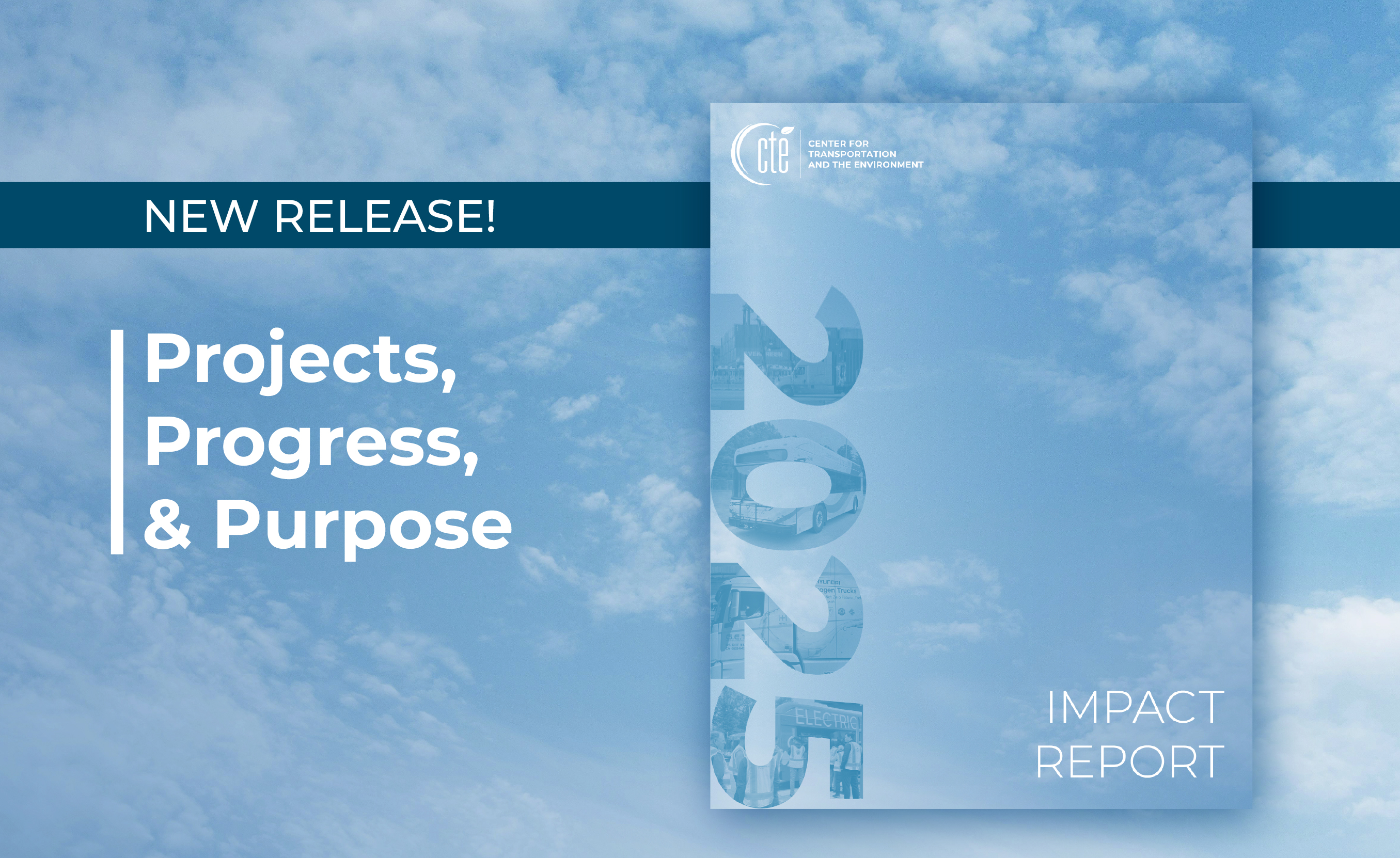
To that end, the Center for Transportation and the Environment (CTE) partnered with the World Resources Institute (WRI) to produce the newly released Roadmap to 100: Electrifying the Full US School Bus Fleet, This roadmap outlines the barriers slowing adoption and the solutions that can unlock progress at scale.
Understanding the Barriers to Scale
Drawing from the 2024 School Bus Electrification Summit and dozens of follow-up interviews led by CTE, the roadmap begins with insights from fleets, utilities, and manufacturers; the hurdles to widespread adoption; and the health and economic benefits ESBs deliver. This framing helps readers understand both the opportunity and the operational realities that districts face.
Across CTE’s interviews and research, several consistent challenges school systems face when deploying electric school buses emerged:
- High upfront capital costs, even as lifetime operating costs trend lower than diesel
- Complex and labor-intensive charging infrastructure, often requiring extensive utility coordination
- Persistent misconceptions about range, maintenance, and charging strategies
- Fragmented funding and procurement pathways that strain limited staff capacity
Many of these barriers—including unmanaged charging, grid readiness, incompatible hardware, and complex procurement—can be traced to insufficient access to funded technical assistance. CTE’s project experience shows that districts make faster, more confident progress when they funding to cover proper engineering support, utility coordination, transition planning, and staff training built into their projects. Other Federal Programs that explicitly fund these services, such as FTA’s Low-No transit program, clearly demonstrate how proper planning and technical support reduce risk, control costs, and keep deployments on track.
The Roadmap to 100: Electrifying the Full US School Bus Fleet calls for expanding this model across the school bus sector by making technical assistance an eligible expense as part of federal and state funding programs.It also encourages districts to work with qualified engineering firms and experienced nonprofit organizations—partners who can help navigate complexity, avoid costly missteps, and ensure successful deployments.
Moving Forward Together
The Roadmap to 100: Electrifying the Full US School Bus Fleet offers a clear, practical blueprint for accelerating electric school bus adoption nationwide. It emphasizes that technology alone won’t get us there—districts also need the planning resources, technical expertise, and collaborative partnerships that make complex projects successful.
CTE is proud to have co-authored this roadmap and is committed to advancing the coordinated action it calls for. By aligning funding, utilities, industry partners, and experienced technical advisors, we can reduce risk for school districts, accelerate deployment, and ensure every community has access to clean, reliable, zero-emission transportation.