Authored by Christine Ohenzuwa, Autonomous Market Lead
Autonomous technologies are rapidly evolving and poised to reshape transportation across every sector. From self-driving freight and ground support equipment to micro-transit and agricultural machinery, automation is already taking root in a wide range of operational environments. This growth presents opportunities for safer, more efficient, and lower-emission operations—but also brings complex challenges, including integrating advanced systems, navigating evolving regulations, and adapting fleet operations and infrastructure.
Thinking in Systems
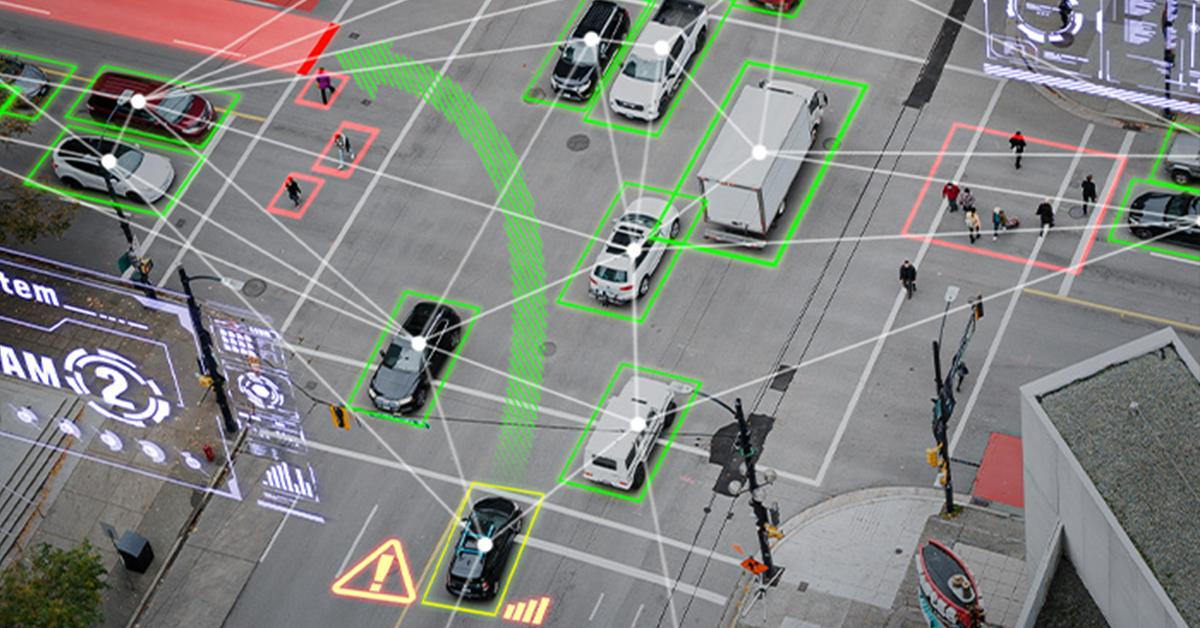
Many autonomous vehicles today are electric, including battery-electric shuttles, last-mile delivery vans, and autonomous transit buses. Pairing autonomy with electric propulsion enables cleaner, quieter, and more efficient operations, helping organizations advance both safety and sustainability goals. At the same time, these vehicles represent complex systems that require careful integration. Autonomous vehicles are more than just vehicles—they are intricate networks of platforms, software, sensors, and operational environments. Success requires coordination across multiple stakeholders: manufacturers, software developers, infrastructure providers, fleet operators, and regulators. Understanding these interactions and anticipating potential points of failure is critical to deploying reliable, scalable solutions.
A systems-focused approach allows organizations to manage risk, translate complexity into actionable solutions, and ensure that every component works harmoniously. Those who approach autonomy holistically are better positioned to capture the full range of benefits these technologies promise.
Near-Term Opportunities: Assistive Technologies
Some of the most promising applications of autonomous technology are already on the road as assistive features, including blind-spot detection, adaptive cruise control, parking assist, precision docking, and automatic braking. These tools enhance safety, reduce driver strain, and can lower fuel use and emissions by optimizing vehicle operation. For example, precision docking technologies are being piloted on transit buses to help drivers align vehicles consistently with platforms, improving accessibility for riders with disabilities. More broadly, features like collision avoidance and blind-spot monitoring are increasingly incorporated into commercial fleets, supporting drivers and improving operational efficiency while paving the way for higher levels of autonomy and zero-emission fleet operations.
Future Outlook: Technology Development
As sensing technologies, artificial intelligence, and validation methods continue to improve, higher levels of vehicle autonomy are expected to move from controlled pilots into broader operational environments. These systems will increasingly be capable of performing the full driving task within defined conditions, reducing the need for direct human intervention.
Around Hartsfield–Jackson Atlanta International Airport, a demonstration project is deploying autonomous, electric pods carrying four to six passengers along a dedicated 0.5‑mile guideway. The system will link the ATL SkyTrain to nearby destinations, including the Georgia International Convention Center and Gateway Center Arena, bridging a short “last mile” gap in local mobility. Similarly, rural initiatives such as Minnesota’s goMARTI program are piloting on-demand autonomous shuttles to expand transportation options for elderly and non-driving residents in areas with limited transit access.
Like today’s assistive technologies, higher levels of autonomy hold the potential to enhance safety, improve operational efficiency, and reduce energy consumption through more precise and consistent vehicle operation. At the same time, expanding autonomous capabilities introduces new considerations—including passenger safety, cybersecurity, system reliability, and the ethical frameworks that guide automated decision-making.
Organizations exploring these technologies must closely monitor regulatory changes, invest in methods for generating reliable performance data, and remain attuned to public sentiment. As autonomous technology improves at a rapid pace, successful long-term deployment will hinge on maintaining the balance between technological developments, regulatory compliance and safety, both actual and perceived.
How CTE Supports the Market
The Center for Transportation and the Environment (CTE) draws on over three decades of experience with emerging transportation technologies to help organizations navigate this rapidly evolving landscape. CTE partners with agencies and fleets to develop funding strategies, integrate systems, and manage projects, helping to ensure these technologies deliver on their promise of improved safety, operational efficiency, and reduced environmental impact. Through real-world, data-driven evaluation, CTE helps build confidence among regulators, funders, and the public, showing that both autonomous and zero-emission solutions are practical, effective, and ready for today’s fleets.