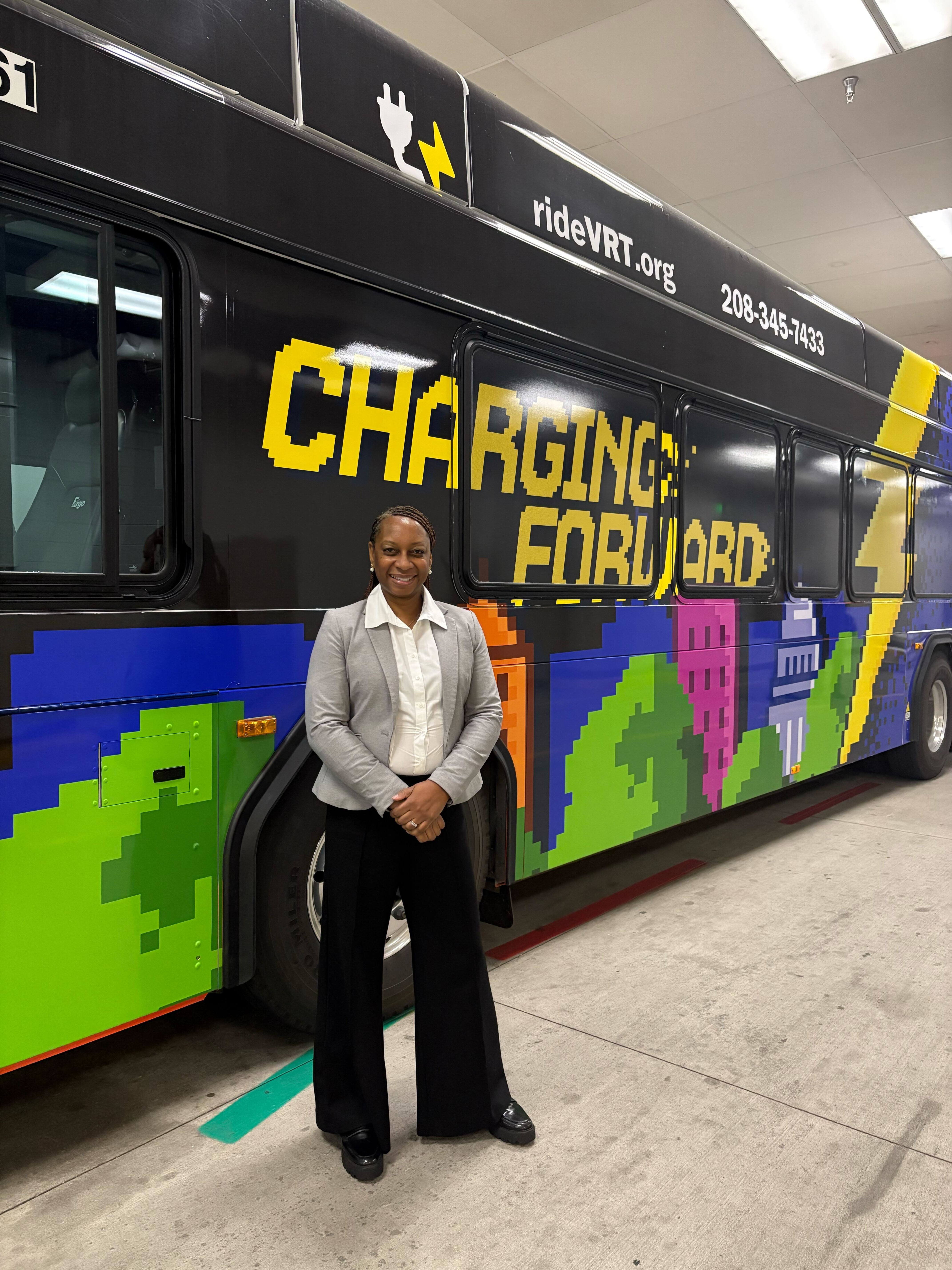
Charging Forward: Valley Regional Transit Expands Its Battery Electric Bus Fleet in Boise
As transit agencies across the country work to modernize fleets and reduce emissions, Valley Regional Transit (VRT) is continuing to build momentum in Boise, Idaho.
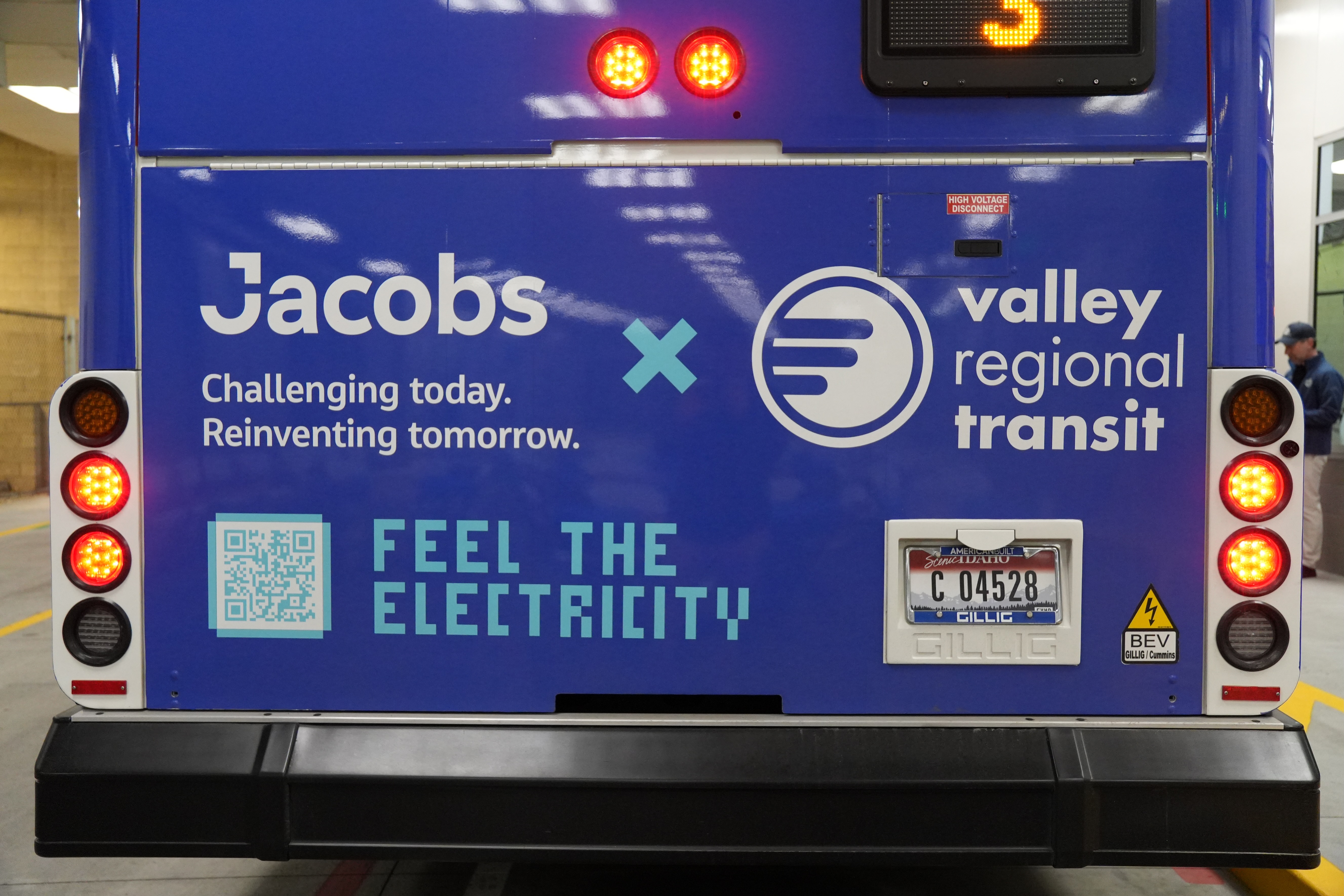
Through a successful award under the Federal Transit Administration’s 2022 Low or No Emission Vehicle Program (Low-No), VRT partnered with the Center for Transportation and the Environment (CTE), Jacobs, and Heliox, A Siemens Business to deploy seven new 35-foot GILLIG battery electric buses (BEBs) and the charging infrastructure necessary to support them.
The project includes four Heliox depot chargers and eight Heliox overhead chargers, creating both depot and on-route charging capabilities that make all-day electric bus service possible. This $17.3 million investment marks the next phase of VRT’s transition to battery electric transit and reflects the agency’s broader vision for cleaner, more reliable service across the Boise region.
Building on a Strong Foundation
VRT has been steadily advancing fleet electrification for several years, with 12 electric buses already in operation. These seven new BEBs expand that progress and support VRT’s long-term strategy to reduce emissions while improving rider experience.
The project also aligns with the redevelopment of State Street, one of Boise’s most important transit corridors, funded through a U.S. Department of Transportation RAISE grant. By pairing fleet electrification with corridor improvements, VRT is strengthening the future of public transit in the region.
The Heliox charging infrastructure at Main Street Station has become a centerpiece of that transformation. The overhead chargers allow buses to recharge throughout the day without returning to base, helping VRT keep vehicles in service longer and operate more efficiently.
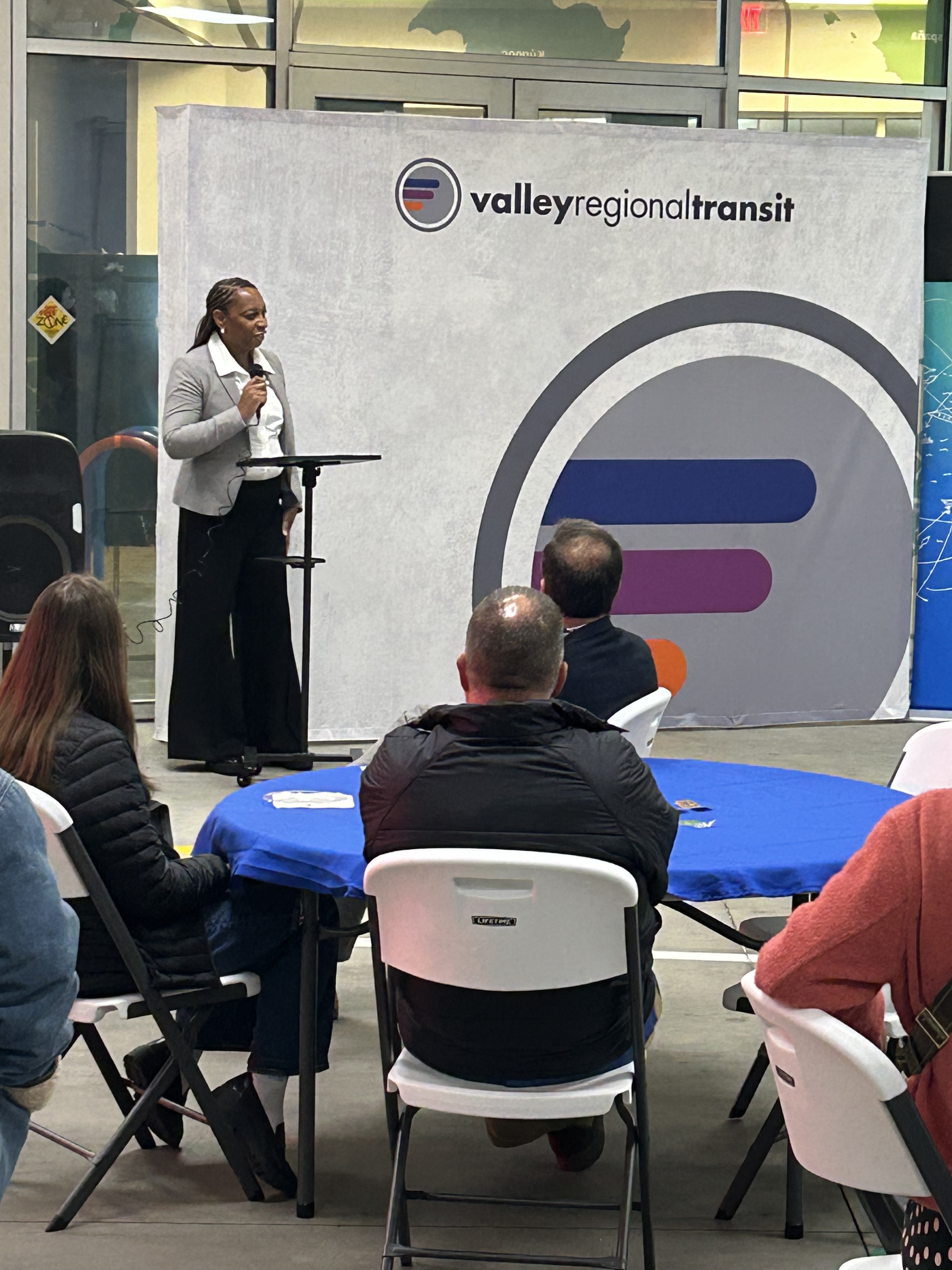
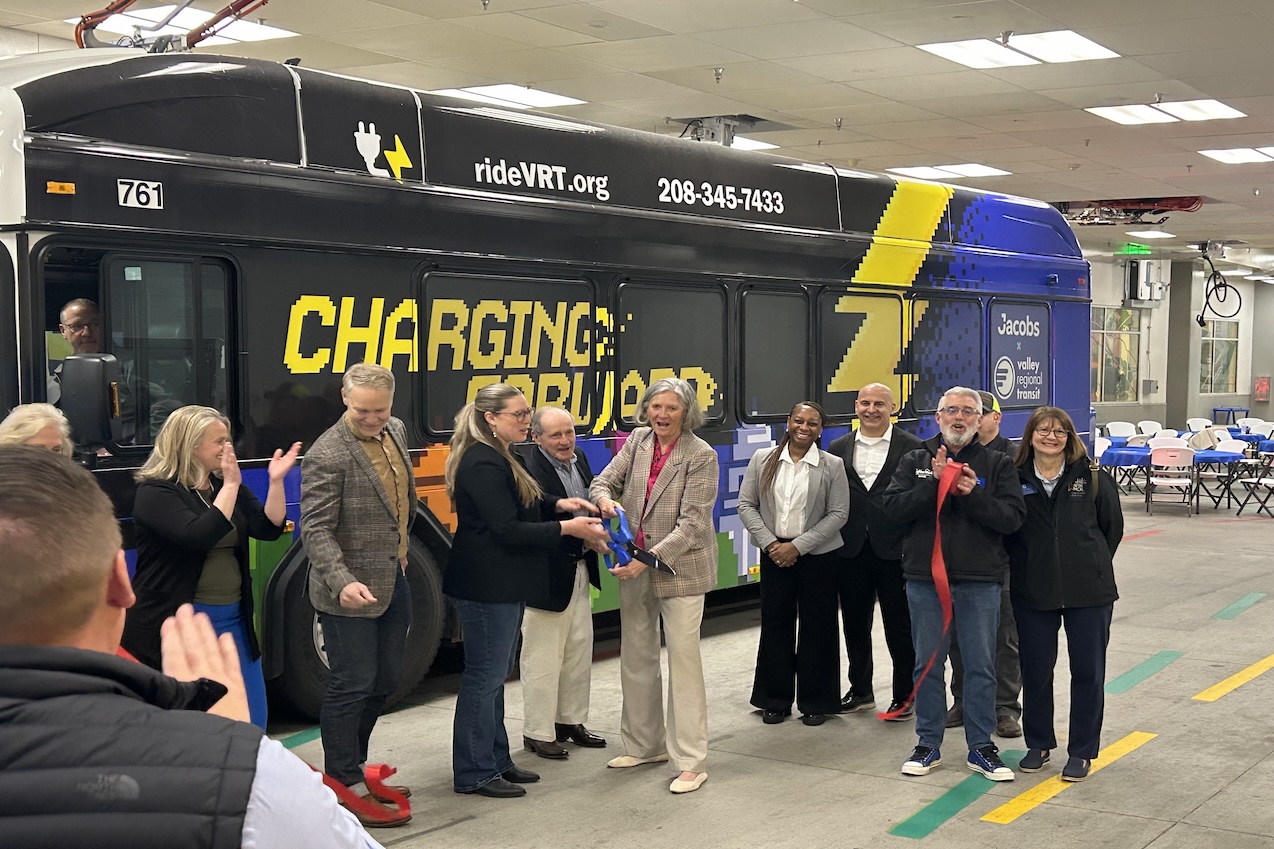
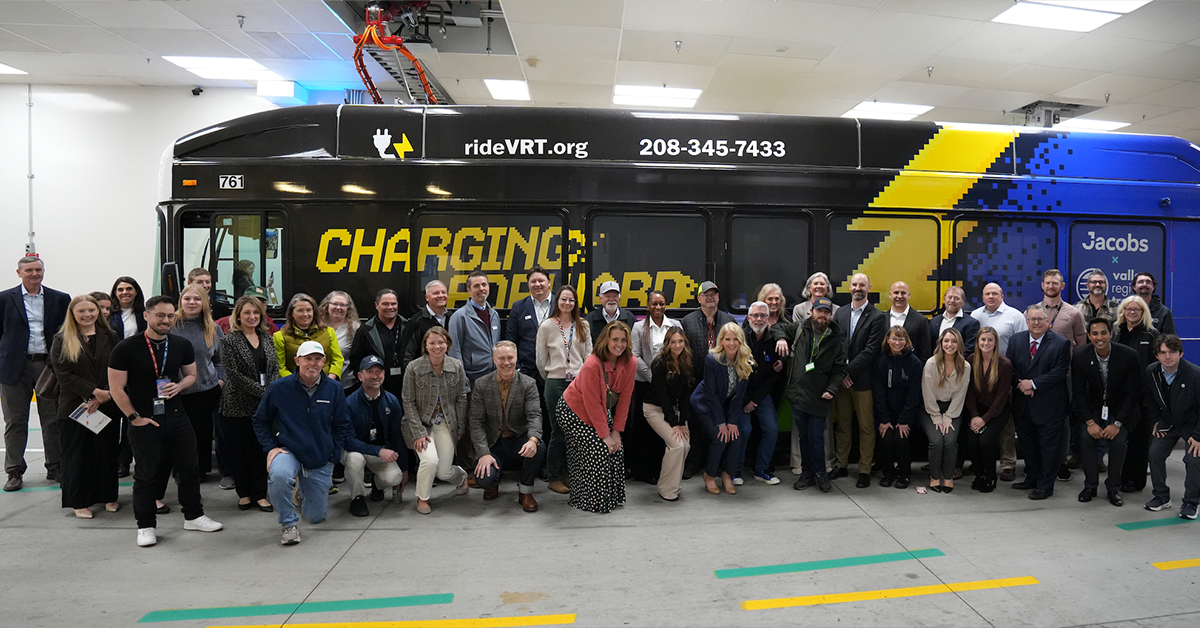
Earlier this year, VRT celebrated a major milestone with a ribbon cutting at Main Street Station to mark the launch of the new overhead charging system. CTE participated alongside project partners, helping recognize the progress made and the collaboration required to bring the project to life.
CTE’s Role: Turning Planning into Progress
Since the project launched in 2023, CTE has worked closely with VRT to help turn electrification goals into a practical, long-term strategy.
Early on, CTE helped map the path forward by developing a full project roadmap and analyzing how battery electric buses would perform across VRT’s routes and within the new charging ecosystem. From charger placement to operational planning, CTE’s goal was to make sure the new buses would work not just on paper, but in day-to-day service.
CTE also reviewed vehicle specifications before procurement was finalized, helping ensure the buses were built to meet VRT’s operational needs. As the project has progressed, CTE has remained a technical partner—providing additional modeling, answering new questions, and helping VRT make informed decisions along the way.
Rather than a one-time study, the partnership has focused on giving VRT the confidence and data needed to scale electrification successfully.
Looking Ahead
With bus delivery completed in December 2025, CTE is conducting validation testing to confirm the buses and charging systems are performing as expected under real-world conditions.
The team has also begun a 12-month performance monitoring period, tracking key metrics like vehicle reliability, charging behavior, and operational efficiency. These insights will help VRT optimize service today while informing future fleet decisions.
VRT’s Low-No project shows that fleet electrification is about more than buying buses—it requires thoughtful planning, strong partnerships, and a clear path to long-term success.
For Boise riders, that means cleaner buses, more reliable service, and a transit system built for the future.