Transit Leaders Convene in Ann Arbor to Address Transit Electrification and Workforce Development
FOR IMMEDIATE RELEASE
July 20, 2026
CONTACT
Kate Mason
kate@cte.tv
(615) 419-5185
ANN ARBOR, Mich. — As public transit agencies adopt battery-electric, hydrogen fuel cell electric, and other advanced technologies, they are expanding their approach to fleet planning, infrastructure, operations, and workforce development. Successful deployment depends on aligning new vehicles and fueling or charging systems with the training, facilities, and operational strategies needed to support them.
Representatives from 45 public transit fleets across the United States are gathering in the Ann Arbor area this week for One-on-One Transit, an invitation-only industry event hosted by the Center for Transportation and the Environment (CTE). Held July 20–22, One-on-One Transit brings public fleet leaders together with vehicle manufacturers, infrastructure providers, energy companies, technology providers, and other industry partners for focused discussions around the practical demands of deploying a next generation fleet. Topics include vehicle and infrastructure procurement, fleet operations, maintenance, safety, emergency preparedness, workforce training, and best practices for integrating new technologies into daily transit service.
“Electrification is much more than simply procuring and deploying new buses,” said Dan Raudebaugh, Executive Director of CTE. “Agencies also need the appropriate fueling infrastructure to support these buses, plus unique operational plans, safety procedures, and appropriate workforce development to successfully put these new buses into service. One-on-One Transit gives fleets and industry partners an opportunity to address those interconnected challenges directly.”
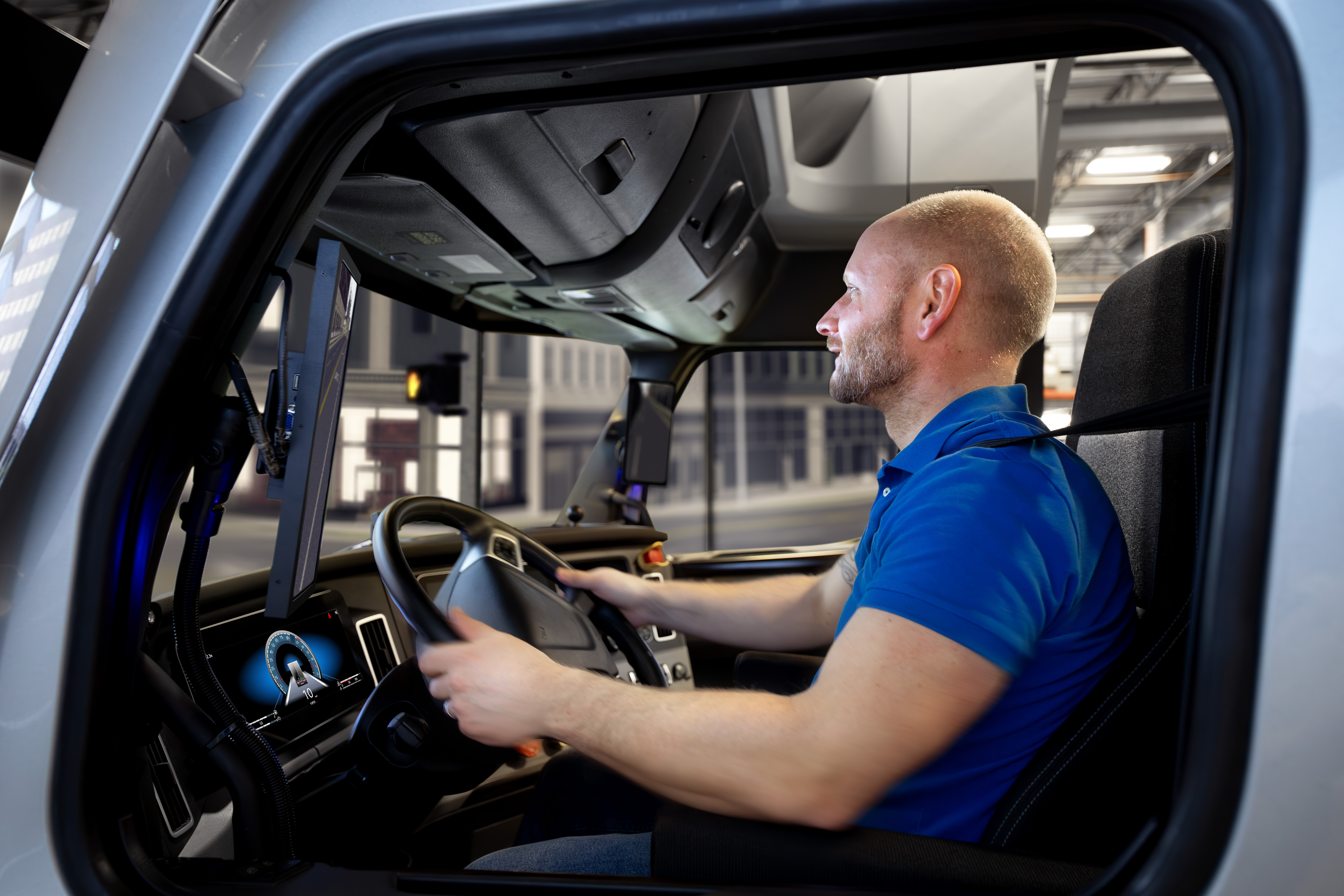
On Tuesday, attendees will tour FAAC Incorporated’s Ann Arbor facility, where they will see high-fidelity transit driving simulators and simulation-based workforce training technologies used to prepare transit operators and other professionals for complex, real-world situations. The demonstration will showcase how simulation helps agencies prepare employees to operate new vehicle technologies in changing operating environments, manage safety-critical events, and other situations that may be difficult or unsafe to recreate using deployed vehicles in real world situations.
“The classroom builds knowledge, but simulation bridges the gap between theory and real-world performance,” said Jason Francisco, Transportation Business Manager for FAAC Incorporated. “It gives agencies a controlled environment to build confidence, reinforce procedures, evaluate performance, and expose operators to situations they may rarely encounter, but need to handle correctly the first time.”
Workforce development is an essential component of fleet electrification and extends well beyond operator training. Agencies must prepare maintenance technicians, facility personnel, first responders, planners, supervisors, management teams, and operators to work safely and effectively with new propulsion systems, charging and fueling equipment, updated safety procedures, and changing operational requirements.
Participating Michigan fleets include the Ann Arbor Area Transportation Authority, the City of Detroit Department of Transportation, Flint Mass Transportation Authority, SMART, and the University of Michigan. They are joined by public transportation organizations from across North America.
One-on-One Transit is organized by CTE, a national nonprofit engineering and planning organization that works with public agencies, vehicle manufacturers, infrastructure providers, and technology companies to develop and implement clean, efficient, and sustainable transportation solutions.
About the Center for Transportation and the Environment
The Center for Transportation and the Environment is a 501(c)(3) nonprofit organization with a mission to improve the health of our climate and communities by bringing people together to develop and commercialize clean, efficient, and sustainable transportation technologies. CTE collaborates with federal, state, and local governments, fleets, and vehicle technology manufacturers to complete our mission. If interested in learning more about CTE, please visit cte.tv.